
Think of an Electrical Installation Condition Report, or EICR, as an MOT for your property's wiring. It’s a thorough inspection by a qualified electrician to make sure everything is safe and up to standard. It’s not about finding fault; it’s about giving you peace of mind that your home or business is free from electrical hazards.
## What is an EICR?
An **EICR** is a formal document produced after a detailed assessment of the fixed electrical installation in a property. This includes everything you can’t unplug, like the consumer unit (fuse box), wiring, plug sockets, light fittings, and switches. The report will highlight any potential dangers, defects, or areas that don't meet current safety standards.
## Why do I need an EICR?
Your reason for needing an EICR depends on who you are:
* **For Landlords:** It’s a legal requirement. In England, you must have a valid 'satisfactory' EICR for any privately rented property. This must be renewed at least every five years, or when a new tenant moves in. You have a legal duty of care to your tenants, and this is a key part of it.
* **For Homeowners:** While not a legal must-have, it’s highly recommended. It’s a good idea to get one when you buy a new home, as a survey won’t cover the state of the electrics. We also suggest a check every 10 years, or if you have any concerns about your wiring, especially in an older property.
* **For Businesses:** Yes. Commercial properties must ensure their electrical systems are safe under the Electricity at Work Regulations 1989. Regular EICRs are the accepted way to prove you’re meeting this legal obligation and keeping your staff and customers safe.
## What Happens During an EICR?
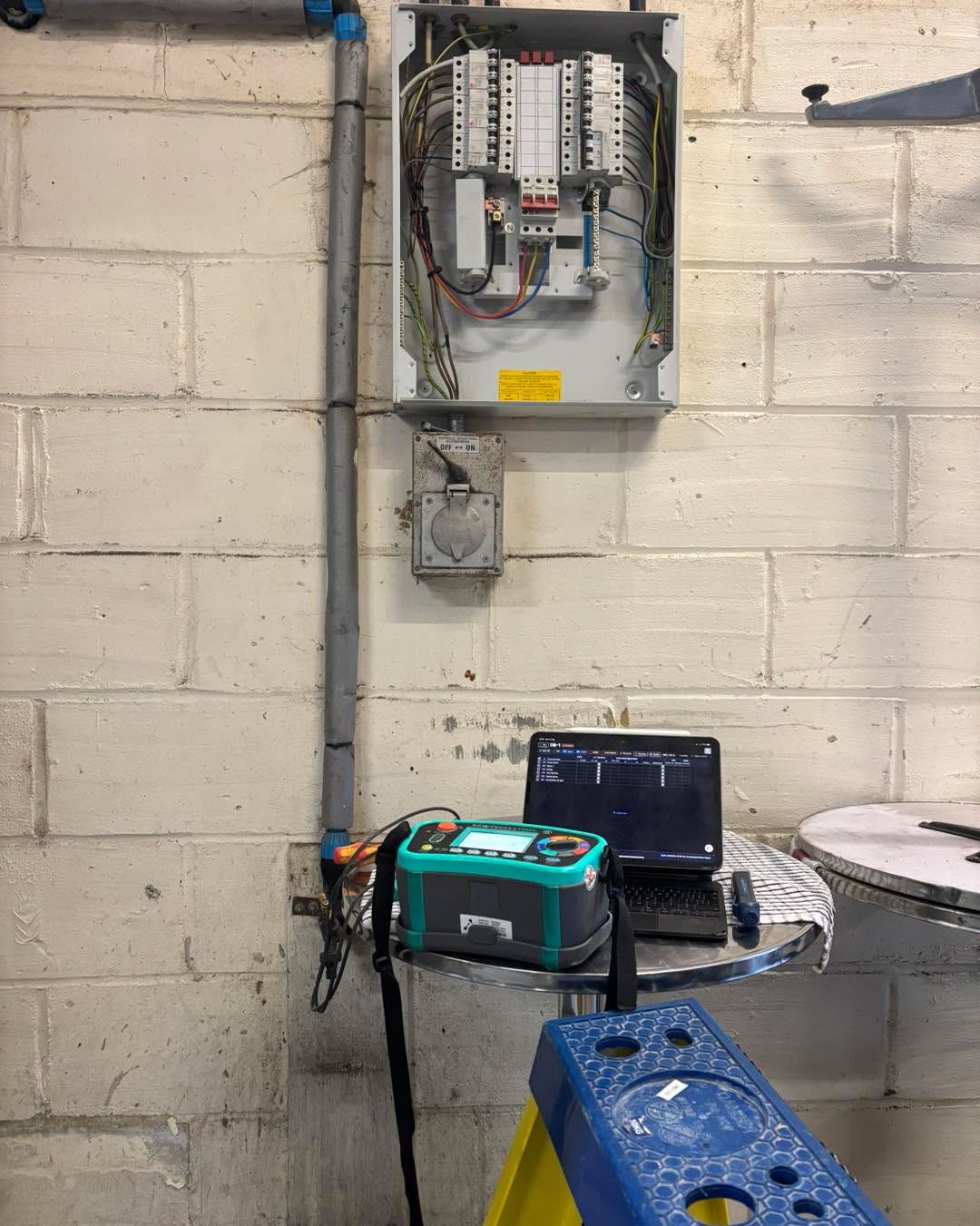
An electrician will systematically test the wiring and circuits throughout your property. The process involves:
1. **Visual Inspection:** Checking for any obvious signs of damage, wear and tear, or overheating on sockets, switches, and other fixtures.
2. **Dead Testing:** The power will be turned off at the consumer unit. The electrician will then test each circuit to check the wiring is sound and properly connected.
3. **Live Testing:** The power is turned back on to perform tests that check the system works as it should under live conditions, ensuring safety devices like RCDs trip correctly.
4. **Reporting:** You'll receive a detailed report flagging any issues using specific codes (C1 for 'Danger present', C2 for 'Potentially dangerous'). If the report is 'unsatisfactory', any C1 or C2 issues must be fixed.
## How Long Does an EICR Take?
It depends on the size of the property and the number of circuits. For a typical three-bedroom house, you can expect the inspection to take around 3-4 hours. The power will be off for a significant portion of this time, so it's best to plan for that disruption.
An EICR is a small investment in the safety of your property and the people in it. If you're a landlord in Edenbridge, Oxted, or the surrounding areas needing to meet your legal duties, or a homeowner wanting peace of mind, give us a call to book an electrical safety check.
## What does an EICR look like?
An EICR isn’t just a tick-box exercise; it’s a detailed report that reflects the condition of your electrical installation.
A properly completed report will include a full breakdown of all circuits in the property, along with the results of the testing carried out on each one. It will also clearly list any observations, using standard classification codes (such as C1, C2, or C3), and provide details of the consumer unit, earthing, and bonding arrangements.
In short, it should give a clear and complete picture of the installation—not just a quick overview.
## What are ‘Limitations’ (LIM)?
Within an EICR, you may see the term ‘LIM’, which stands for limitation. This indicates that part of the installation was not inspected or tested.
Some limitations are completely reasonable. For example, we don’t want to damage walls to see where cables are hiding.
However, limitations should be used sparingly and with good reason.
If a report contains a high number of limitations—particularly on standard items like circuits or socket outlets—it can indicate that parts of the installation have not been properly assessed.
## Why this matters
An EICR is intended to provide reassurance that your electrical system is safe. If large sections of the installation have been excluded from testing, the report becomes less reliable and may not highlight potential issues.
A well-conducted EICR should be thorough, transparent, and give you confidence in the condition of your installation.
safety
What is an EICR? Your Guide to Electrical Safety Checks
FAQs
Common questions
For landlords in the private rented sector, a satisfactory EICR is required at least every 5 years, or at the start of a new tenancy. For homeowners, it is recommended every 10 years or when moving into a new property.
No, it's not legally mandatory for homeowners to have an EICR. However, it is strongly recommended for your own safety, particularly in older properties or if you suspect you have outdated wiring.
A 'satisfactory' report means the electrical installation is safe for continued use. An 'unsatisfactory' report means there are urgent (C1) or potentially dangerous (C2) issues that require remedial work to make the installation safe.
Yes, for safety reasons and to perform certain 'dead tests', the electrician will need to turn off the power at the consumer unit for periods during the inspection. They will advise you on the day.
Covering Edenbridge · Oxted · East Grinstead · Hurst Green
Got a job? Let's price it today.
Call, WhatsApp a photo, or send a quick message — we'll come back the same working day.